Very dry skin is not just regular dry skin being a little dramatic.
It can feel tight after showering, rough by midday, flaky in winter, itchy after using the wrong body wash, or mysteriously dry again even after you applied lotion an hour ago.
The problem is usually not that you are doing nothing.
It is that your body care routine may be missing the right layers.
For very dry skin, one lightweight lotion often is not enough. Your skin may need a routine that cleanses gently, adds hydration, softens rough texture, and seals moisture in so your skin stays comfortable longer.
That is where a complete dry skin body care routine comes in.
This guide will walk you through the best order to use shower oils, body serums, lotions, creams, body oils, butters, balms, and fragrance-free products so you can build a routine that actually makes sense.
Because dry skin care should not feel like solving a riddle while wrapped in sandpaper.
Start Here: The Dry Skin Routine in One Simple Formula
The best body care routine for very dry skin follows this order:
- Cleanse gently
- Hydrate with a serum or lotion
- Soften with a cream, butter, or oil
- Seal dry areas with a balm or salve
- Adjust for morning, night, winter, and sensitive skin
The goal is not to use every product on your shelf.
The goal is to use the right product in the right order.
For most people with very dry skin, the best routine is:
Shower oil → body serum or lotion → body cream or body oil → balm on extra-dry spots
That layering order helps your skin feel more comfortable because each step has a job.
Featured DrySkinRitual Guides
- How to Treat Very Dry Flaky Skin
- Humectant vs Emollient vs Occlusive: The Dry Skin Layering Method
- Winter Body Care Routine for Dry Skin
- Overnight Body Care Routine for Dry Skin
- Best Fragrance-Free Body Care for Sensitive Skin
- How Shower Oils Protect Your Skin Barrier
- How to Choose a Body Oil for Very Dry Skin
- Best Body Lotion for Dry Skin
- Best Body Serum for Dry Skin
- Body Butter vs Body Cream for Dry Skin
Why Very Dry Skin Needs More Than Lotion
Lotion can be helpful, but very dry skin often needs more than one texture.
A lightweight lotion may add quick moisture, but it may not provide enough richness or sealing power for skin that loses moisture quickly.
Very dry skin usually needs three types of support:
1. Hydration
This comes from humectant ingredients such as glycerin, hyaluronic acid, aloe, urea, and panthenol. These are often found in body serums and lotions.
2. Softening
This comes from emollient ingredients such as shea butter, squalane, ceramides, body oils, and fatty acids. These help rough skin feel smoother.
3. Sealing
This comes from occlusive ingredients such as petrolatum, mineral oil, beeswax, lanolin, dimethicone, rich butters, and balms. These help reduce moisture loss.
For a deeper explanation, feature this post here:
Featured Post: Humectant vs Emollient vs Occlusive: The Dry Skin Layering Method
Step 1: Start With a Gentle Shower Routine
Your dry skin routine starts before you apply moisturizer.
If your cleanser leaves your skin squeaky, tight, or itchy, it may be too stripping. Very dry skin often does better with gentle, creamy, low-foam, or oil-based cleansers.
That is why shower oils can be so helpful.
A shower oil cleanses while leaving the skin feeling more comfortable than many traditional foaming body washes. It can be especially useful during winter, after shaving, or if your skin feels tight immediately after showering.
Look for:
- Shower oils
- Creamy body washes
- Fragrance-free cleansers
- Gentle non-stripping formulas
- Cleansers made for dry or sensitive skin
Avoid if your skin is very dry:
- Harsh scrubs
- Strongly fragranced body washes
- Overly foamy cleansers that leave skin tight
- Very hot showers
- Aggressive exfoliation every day
Shop: Shower Oils for Dry Skin
Shop: Fragrance-Free Body Care
Featured Post: How Shower Oils Protect Your Skin Barrier
Featured Post: Shower Oil vs Body Wash for Dry Skin
Step 2: Apply Body Serum or Lotion While Skin Is Damp
After showering, gently pat your skin with a towel so it is damp but not dripping.
Then apply a hydrating body serum or lotion.
This is the step many people skip, but it can make a big difference. Damp skin gives your product something to work with, and humectant-rich formulas help add that first layer of hydration.
A body serum is usually lighter than a cream or butter. It can be especially helpful if your skin feels dehydrated, tight, or uncomfortable right after showering.
A lotion is usually more familiar and easy to use. It can be a great daily option, especially if you prefer something fast-absorbing.
Look for body serums and lotions with:
- Glycerin
- Hyaluronic acid
- Urea
- Aloe vera
- Panthenol
- Lactic acid
- Ceramides
Shop: Body Serums for Dry Skin
Shop: Body Lotions for Dry Skin
Shop: Fast-Absorbing Body Care
Featured Post: Best Body Serum for Dry Skin
Featured Post: Best Body Lotion for Dry Skin
Featured Post: Best Urea Body Lotion for Rough, Flaky Skin
Step 3: Add a Cream, Butter, or Body Oil
Once your first hydrating layer is on, add something richer.
This is where your routine becomes more comforting.
Body creams, butters, and oils help soften rough skin and create a smoother feel. This step is especially useful for flaky legs, dry arms, rough knees, elbows, and areas that never seem satisfied with lotion alone.
Body cream
A body cream is a good everyday option for dry skin. It is usually richer than lotion but not always as heavy as a balm or butter.
Best for:
- Daily use
- Dry arms and legs
- Rough texture
- After-shower moisturizing
- Layering under body oil
Body butter
A body butter is thicker and richer. It is ideal for very dry skin, winter routines, and nighttime use.
Best for:
- Winter dryness
- Rough elbows and knees
- Skin that needs a richer feel
- Night routines
- Areas that feel dry quickly after lotion
Body oil
A body oil helps soften the skin and gives a smoother, more conditioned feel. It works best when applied after a water-based layer like body serum, lotion, or cream.
Best for:
- Sealing in a lighter layer
- Adding glow
- Dry legs and arms
- Massage-style application
- Luxury body care routines
Shop: Body Oils for Dry Skin
Shop: Creams & Butters for Dry Skin
Shop: Very Dry Skin
Featured Post: How to Choose a Body Oil for Very Dry Skin
Featured Post: Body Butter vs Body Cream for Dry Skin
Featured Post: Body Oil vs Body Lotion: Which Is Better for Very Dry Skin?
Featured Post: Luxury Body Oil vs Drugstore Body Oil: What’s Actually Worth Paying For?
Step 4: Seal Extra-Dry Areas With a Balm or Salve
Very dry skin often has “problem zones.”
These are the areas that feel dry no matter what:
- Elbows
- Knees
- Heels
- Hands
- Ankles
- Shins
- Knuckles
- Rough patches
For these areas, a regular lotion may not be enough. A balm or salve can be used as the final layer to help seal in the moisture from your previous steps.
You do not need to apply balm everywhere unless your skin loves that rich, coated feeling. For most people, it works best as a targeted final step.
Best times to use body balm:
- Before bed
- After showering
- After applying lotion or cream
- Before putting on socks for cracked heels
- During winter
- On elbows, knees, and hands
Shop: Balms & Salves for Dry Skin
Shop: Very Dry Skin
Featured Guide: Best Body Balm for Cracked Elbows, Knees & Heels
The Best Morning Routine for Very Dry Skin
Morning body care should be comfortable, effective, and realistic.
Most people do not want to stand around waiting 20 minutes before getting dressed. The morning routine should focus on hydration and fast absorption.
Morning routine order:
- Gentle rinse or shower oil if showering
- Lightweight body serum or lotion
- Fast-absorbing cream or body oil
- Balm only on very dry spots
Best morning product types:
- Body serum
- Lightweight lotion
- Fast-absorbing body oil
- Non-greasy cream
- Fragrance-free balm for hands or elbows
Shop: Fast-Absorbing Body Care
Shop: Body Lotions for Dry Skin
Shop: Body Serums for Dry Skin
Shop: Body Oils for Dry Skin
Featured Guide: Best Fast-Absorbing Body Care for Dry Skin
The Best Night Routine for Very Dry Skin
Night is when you can go richer.
This is the time for thicker creams, body butters, balms, and slow-absorbing products that may feel too heavy during the day.
If your skin wakes up feeling dry, your nighttime routine may need a stronger sealing step.
Night routine order:
- Shower oil or gentle cleanser
- Body serum or lotion on damp skin
- Rich cream or body butter
- Body oil if desired
- Balm on elbows, knees, hands, and heels
Night routine tip:
Apply balm to your heels and put on soft socks before bed. Glamorous? Not exactly. Effective? Very much yes.
Shop: Shower Oils for Dry Skin
Shop: Creams & Butters for Dry Skin
Shop: Balms & Salves for Dry Skin
Featured Post: Overnight Body Care Routine for Dry Skin
The Best Winter Body Care Routine for Dry Skin
Winter dry skin is its own tiny villain.
Cold air, indoor heat, hot showers, and heavier clothing can all make skin feel rougher and drier. During colder months, your routine may need to shift from lightweight moisture to richer layering.
Winter routine upgrades:
- Switch from body wash to shower oil
- Apply moisturizer immediately after showering
- Use body butter instead of lightweight lotion at night
- Add body oil over cream
- Use balm on elbows, hands, knees, and heels
- Choose fragrance-free products if your skin feels sensitive
Shop: Very Dry Skin
Shop: Shower Oils for Dry Skin
Shop: Creams & Butters for Dry Skin
Shop: Balms & Salves for Dry Skin
Featured Guide: Winter Body Care Routine for Dry Skin
Best Routine for Sensitive Dry Skin
Sensitive dry skin needs a little more caution.
Products that smell amazing may not always feel amazing on reactive skin. If your skin stings, burns, itches, or gets red easily, consider simplifying your routine and choosing fragrance-free formulas.
Look for:
- Fragrance-free body lotion
- Fragrance-free body cream
- Ceramide-rich formulas
- Colloidal oatmeal
- Glycerin
- Minimal essential oils
- Gentle shower oils or cream cleansers
Avoid or patch test carefully:
- Strong fragrance
- Essential oil-heavy products
- Harsh scrubs
- Strong exfoliating acids
- Very hot water
- Too many new products at once
Shop: Fragrance-Free Body Care
Featured Guide: Best Fragrance-Free Body Care for Sensitive Skin
Featured Guide: Ceramides vs Colloidal Oatmeal: Which Is Better for Sensitive Dry Skin?
Featured Guide: Best Fragrance-Free Body Oils for Very Dry Skin
Where Exfoliation Fits Into a Dry Skin Routine
Exfoliation can help rough, flaky skin feel smoother, but it needs to be used carefully.
Very dry skin is already more vulnerable to feeling uncomfortable. Scrubbing too hard or exfoliating too often can make dryness worse.
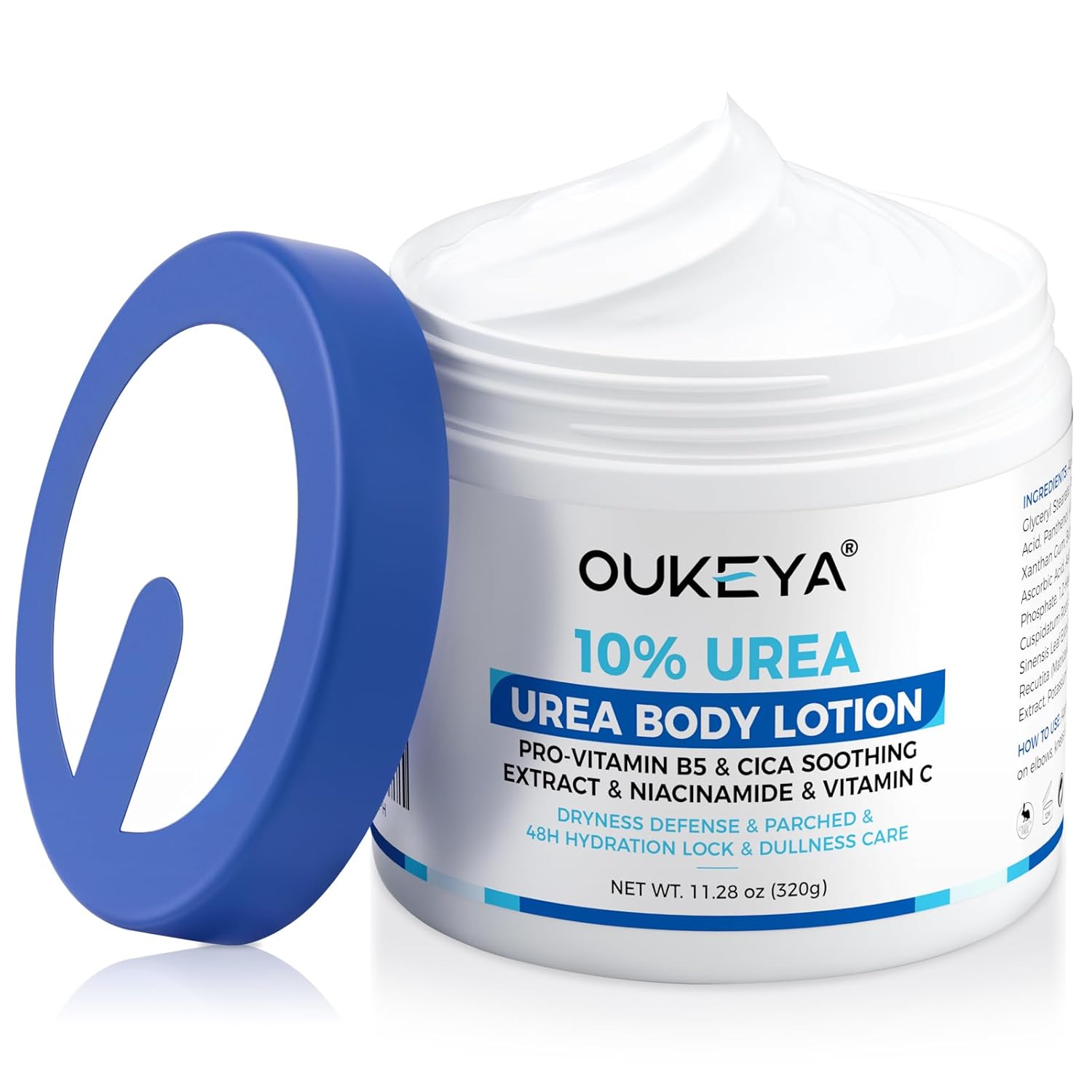
Instead of aggressive scrubs, many people with dry skin prefer gentle body lotions that contain ingredients like urea or lactic acid. These can help smooth rough texture while also supporting moisture.
Use caution with:
- Harsh sugar scrubs
- Salt scrubs on irritated skin
- Daily physical exfoliation
- Strong acids used too often
- Scrubbing cracked or sensitive areas
Better options for rough, flaky skin:
- Urea body lotion
- Lactic acid body lotion
- Gentle washcloth exfoliation
- Soft body mitt used occasionally
- Rich cream after exfoliating
Featured Guide: Best Urea Body Lotion for Rough, Flaky Skin
Featured Guide: How to Treat Very Dry Flaky Skin
Body Oil vs Lotion vs Cream vs Balm: Which One Do You Need?
Here is the simplest way to choose.
Choose body lotion if:
- You want something easy for daily use
- Your skin is mildly to moderately dry
- You need a fast-absorbing product
- You want hydration without heaviness
Choose body serum if:
- Your skin feels tight or dehydrated
- You want a lightweight first layer
- You like layering products
- You want hydration before cream or oil
Choose body cream if:
- Lotion is not enough
- Your skin feels rough or dry quickly
- You want more comfort and softness
- You need a richer daily moisturizer
Choose body butter if:
- Your skin is very dry
- You prefer a rich texture
- It is winter
- You want a night routine product
Choose body oil if:
- You want glow and softness
- You are layering over lotion or serum
- Your skin likes oils
- You want a more luxurious routine
Choose balm or salve if:
- You have cracked heels
- Your elbows or knees are rough
- Your hands get very dry
- You need a final sealing step
Shop: Body Lotions
Shop: Body Serums
Shop: Body Oils
Shop: Creams & Butters
Shop: Balms & Salves
Common Dry Skin Routine Mistakes
Mistake 1: Applying oil first
Body oil is usually best after a water-based product like lotion, body serum, or cream.
If you apply oil first, your lighter products may not absorb as well.
Better order:
Serum or lotion first, oil second.
Mistake 2: Waiting too long after showering
Moisturizer works best when applied to slightly damp skin.
Try to apply your first layer within a few minutes of getting out of the shower.
Mistake 3: Using a stripping cleanser
If your skin feels tight after showering, your cleanser may be working against you.
Try a shower oil, creamy cleanser, or fragrance-free body wash.
Mistake 4: Using only lightweight lotion in winter
Winter skin often needs richer textures.
A summer lotion may not be enough in colder, drier months.
Mistake 5: Skipping the sealing step
If your skin feels dry again soon after moisturizing, add a balm or salve to the driest spots.
Mistake 6: Using too many fragranced products
Fragrance can be lovely, but sensitive dry skin may prefer simpler formulas.
If your skin reacts easily, try fragrance-free body care.
Build Your Routine by Skin Concern
If your skin feels tight after showering
Use:
Featured Guide: How Shower Oils Protect Your Skin Barrier
If your skin is rough and flaky
Use:
- Gentle cleanser
- Urea or glycerin lotion
- Body cream or butter
- Balm on rough patches
Recommended categories:
Featured Guides:
How to Treat Very Dry Flaky Skin
Best Urea Body Lotion for Rough, Flaky Skin
If your skin gets dry again an hour later
Use:
- Body serum or lotion
- Rich cream
- Body oil
- Balm on dry zones
Featured Guide: Humectant vs Emollient vs Occlusive: The Dry Skin Layering Method
If your skin is sensitive and dry
Use:
- Fragrance-free shower oil or cleanser
- Fragrance-free lotion
- Ceramide or oatmeal cream
- Fragrance-free balm
Recommended categories:
Featured Guides:
Best Fragrance-Free Body Care for Sensitive Skin
Ceramides vs Colloidal Oatmeal: Which Is Better for Sensitive Dry Skin?
If your skin is dry but you hate greasy products
Use:
- Lightweight body serum
- Fast-absorbing lotion
- Lightweight body oil only on dry zones
Recommended categories:
Featured Guide: Best Fast-Absorbing Body Care for Dry Skin
Best Product Categories for Very Dry Skin
Use this section as a category hub inside the cornerstone post.
Shower Oils
Best for people whose skin feels tight after cleansing.
Use before applying lotion, cream, or oil.
Body Serums
Best for adding a lightweight hydration layer under cream, oil, or butter.
Body Lotions
Best for daily moisturizing, especially in the morning or after a quick shower.
Shop Body Lotions for Dry Skin
Body Oils
Best for softening skin, adding glow, and layering over lotion or cream.
Creams & Butters
Best for richer moisture, winter care, and nighttime routines.
Category placeholder:
Shop Creams & Butters for Dry Skin
Balms & Salves
Best for sealing moisture into cracked, rough, or very dry areas.
Shop Balms & Salves for Dry Skin
Fragrance-Free Body Care
Best for sensitive, reactive, or easily irritated dry skin.
Very Dry Skin
Best for browsing richer, more targeted products across multiple categories.
The Complete Very Dry Skin Routine
Here is the full routine in one place.
In the shower
Use a gentle shower oil or non-stripping cleanser.
After showering
Pat skin until damp, not fully dry.
First layer
Apply a body serum or hydrating lotion.
Second layer
Apply a body cream, butter, or body oil.
Final layer
Apply balm or salve to elbows, knees, heels, hands, and rough patches.
Weekly
Use gentle exfoliation only if needed, especially on rough or flaky areas.
Seasonally
Use richer products in winter and lighter products in warmer months.
That is the core DrySkinRitual method:
Cleanse gently. Hydrate first. Soften next. Seal where needed.
When to Keep Your Routine Simple
More products are not always better.
If your skin is sensitive, reactive, or easily overwhelmed, start with a simple three-step routine:
- Gentle cleanser
- Fragrance-free lotion or cream
- Balm on very dry spots
Once your skin feels more comfortable, you can add a body serum, oil, butter, or exfoliating lotion one at a time.
This helps you figure out what your skin actually likes instead of turning your bathroom shelf into a tiny skincare courtroom.
When to See a Dermatologist
Dry body care products can help with everyday dryness, roughness, and seasonal discomfort, but persistent itching, cracking, bleeding, rash, or painful skin should be checked by a healthcare professional.
This guide is for general body care education and product selection. It is not a substitute for medical advice.
Final Thoughts: The Best Body Care Routine for Very Dry Skin
The best body care routine for very dry skin is not about owning the most products.
It is about understanding what each product does.
A shower oil helps cleanse without leaving your skin feeling stripped.
A body serum or lotion adds hydration.
A cream, butter, or body oil softens rough skin.
A balm or salve seals moisture into the driest areas.
For most people, the best routine looks like this:
Shower oil → body serum or lotion → body cream or body oil → balm on dry spots
Once you understand that order, dry skin care becomes much easier to customize.
Use lighter layers in the morning.
Use richer layers at night.
Go fragrance-free when your skin feels sensitive.
Add balms in winter.
Use body oil after lotion, not before.
Very dry skin may be high-maintenance, but your routine does not have to be confusing.
Start with the basics, layer intentionally, and build your ritual around what your skin actually needs.
FAQ
What is the best body care routine for very dry skin?
The best routine for very dry skin usually includes a gentle shower oil, a hydrating body serum or lotion, a richer cream or body oil, and a balm or salve on extra-dry areas.
Should I use body oil or lotion first?
Use lotion first, then body oil. Lotion adds hydration, while body oil helps soften the skin and seal in that moisture.
Is body butter better than lotion for very dry skin?
Body butter is usually richer than lotion, so it can be better for very dry skin, nighttime routines, and winter dryness. Lotion may be better for daily use when you want something lighter.
Are shower oils good for dry skin?
Shower oils can be helpful for dry skin because they cleanse without leaving the skin feeling as stripped as some traditional foaming body washes.
What should I use for cracked heels and dry elbows?
Use a hydrating lotion or cream first, then seal with a balm, salve, or ointment. These areas often need a heavier final layer.
Is fragrance-free body care better for dry skin?
Fragrance-free body care can be a good choice for sensitive or reactive dry skin. If your skin stings, itches, or feels irritated easily, fragrance-free products may be worth trying.
How often should I moisturize very dry skin?
Most people with very dry skin benefit from moisturizing daily, especially after showering. Extra-dry areas like hands, elbows, knees, and heels may need balm more often.
Keep Reading
- Humectant vs Emollient vs Occlusive: The Dry Skin Layering Method
- How to Treat Very Dry Flaky Skin
- Winter Body Care Routine for Dry Skin
- Overnight Body Care Routine for Dry Skin
- Best Fragrance-Free Body Care for Sensitive Skin
- How Shower Oils Protect Your Skin Barrier
- How to Choose a Body Oil for Very Dry Skin
- Best Body Serum for Dry Skin
- Best Body Lotion for Dry Skin
- Body Butter vs Body Cream for Dry Skin
- Best Body Balm for Cracked Elbows, Knees & Heels
- Best Urea Body Lotion for Rough, Flaky Skin
- Ceramides vs Colloidal Oatmeal for Sensitive Dry Skin
- Luxury Body Oil vs Drugstore Body Oil